
- August 20, 2026
- Posted by: Hub Admin
- Category: Elections
By Chinonyerem Orji
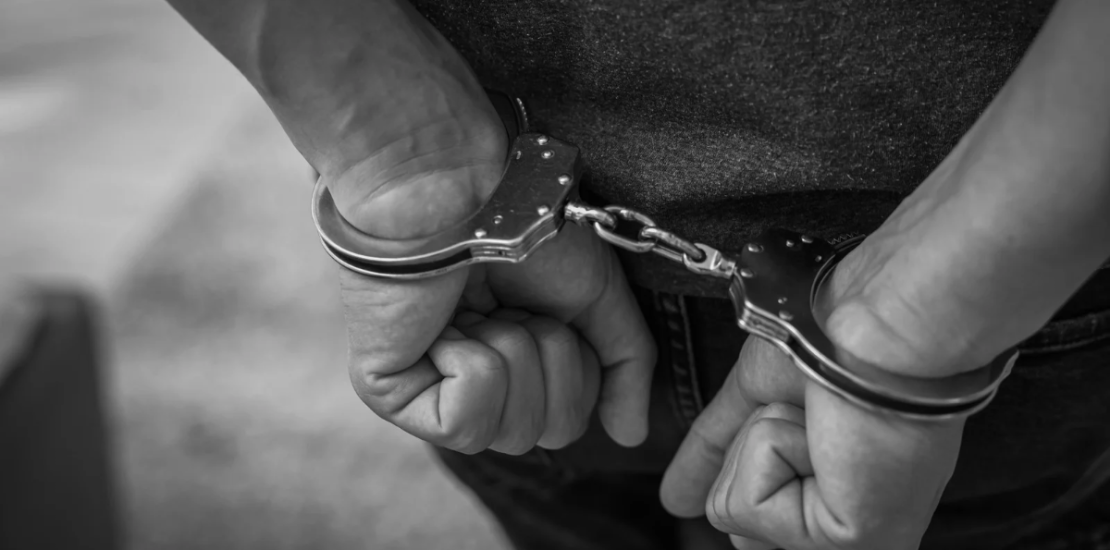
The electoral season is often wrought with various misdemeanors ranging from vote buying, ballot box snatching, and voter intimidation to result manipulation and outright violence. Everyone condemns these acts but the perpetrators are hardly ever brought to book. This begs the question: Why? Why do people keep getting away with these things?
Electoral misconduct is a regular occurrence in the Nigerian terrain. Every election season, Nigerians hear familiar promises: free and fair elections, credible polls, and a commitment to democracy. Yet, after the ballots are counted, reports of several misconduct continue to dominate the headlines. Claims are made, but justice is never fully served which brings accountability itself into question.
What Are Electoral Offences?
Electoral offences are acts that violate the laws governing elections before, during, or after the voting process. These offences undermine the credibility of elections, weaken democratic institutions, and erode public confidence in governance. In Nigeria, electoral offences are primarily governed by the Electoral Act 2022, the 1999 Constitution (as amended), and regulations issued by the Independent National Electoral Commission (INEC).
Some of the most common electoral offences include vote buying and selling, ballot box snatching or destruction, multiple voting, underage voting, voter intimidation or harassment, impersonation of voters, falsification of election result, campaigning beyond the legally permitted period, bribery of election officials, violence at polling units, among others.
These acts are criminal offences and carry penalties ranging from fines to imprisonment.
Many Offences, Few Convictions…
Although several elections in Nigeria are often accompanied by reports of electoral malpractice, successful prosecutions remain rare. Election observers frequently document incidents of violence, vote buying, and procedural irregularities across different election cycles. Yet, only a small fraction of reported offenders are investigated, prosecuted, and convicted.
This gap between reported offences and actual accountability raises an important question: Why are so few people held responsible?
Many stakeholders such as election observers, civil society organisations, and legal practitioners have pointed to the same conclusion from different angles: the problem isn’t a shortage of laws, but rather a system that struggles to enforce them. From weak inter-agency coordination to political pressure that shields powerful offenders, the barriers to accountability are layered and reinforcing. Understanding them individually is the first step to knowing where reform needs to happen.
READ ALSO: Beyond the Ballot: Why Electoral Justice Matters
Why is Accountability Elusive?
1. Weak Enforcement Mechanisms
One of the biggest challenges is enforcement. Although electoral offences are criminal in nature, investigations are often slow, incomplete, or never initiated. Multiple agencies including INEC, the Nigeria Police Force, the Department of State Services (DSS), and the courts have roles in the electoral justice process, but coordination between them is often inadequate. Without prompt investigations and prosecutions, offenders often escape justice.
2. Political Interference
Electoral offences frequently involve influential political actors or individuals connected to powerful stakeholders. Political pressure can discourage investigations or prosecutions, particularly where offenders have significant influence. This creates a perception that some individuals are above the law, further weakening public confidence in the electoral system.
3. Delays in the Justice System
Court proceedings relating to electoral offences can take years.Witnesses may become unavailable, evidence may weaken over time, and public attention often shifts elsewhere. Lengthy judicial processes reduce the effectiveness of sanctions and diminish their deterrent effect. Justice delayed often leads to justice denied.
4. Inadequate Evidence Collection
Successful prosecution depends on credible evidence. Many electoral offences occur in chaotic environments where evidence is difficult to gather. Limited forensic capacity, insufficient documentation, and the reluctance of witnesses to testify further complicate investigations. Without strong evidence, securing convictions becomes extremely difficult.
5. Fear Among Witnesses
Many citizens witness electoral offences but choose not to report them. Fear of intimidation, reprisals, or political violence discourages witnesses from cooperating with investigators. In many cases, there are limited protections available for individuals willing to testify so many choose silence over risk. A justice system cannot function effectively if citizens do not feel safe reporting crimes.
6. Limited Public Awareness
Many voters are unaware that certain actions constitute criminal offences.Some citizens may not realise that accepting money in exchange for their vote, or attempting to vote multiple times, is punishable under Nigerian law. Greater civic education is thereby essential to reducing electoral misconduct.
The Accountability Gap
These challenges aren’t abstract. In 2024, the Socio-Economic Rights and Accountability Project (SERAP) filed a contempt suit against the INEC Chairman for failing to investigate electoral offences from the 2023 general elections, after a Federal High Court had earlier ordered the Commission to pursue bribery cases against state governors and their deputies. INEC’s response highlighted its position that governors and deputy governors are shielded by constitutional immunity, while noting that convictions had been secured in Kebbi and Kogi States through pro bono lawyers engaged via the Nigerian Bar Association.
Off-cycle elections also tell a similar story. Ahead of Ekiti State’s 2026 governorship election, observers noted that the practice of vote buying appeared to be evolving into subtler forms, with reports of items like bread and bananas being distributed instead of direct cash payments near polling units. Reports also showed evidence of voter discrepancy, altered result sheets and vote buying. In Osun State, similar trends arise as citizens alleged widespread vote buying across various areas of the state, with voters being offered voters between ₦10,000 and ₦20,000 in exchange for their votes. Cases like these illustrate the gap between the available laws and its enforcement.
The Case for an Electoral Offences Commission
For several years, experts, civil society organisations, and electoral reform advocates have repeatedly proposed the establishment of an Electoral Offences Commission.
The proposed commission would be responsible for investigating electoral offences, prosecuting offenders independently, maintaining a national database of electoral offences, coordinating with law enforcement agencies, and strengthening accountability across election cycles.
Supporters argue that a specialised institution would improve efficiency and ensure that electoral offences receive the attention they deserve.
However, while proposals have been made and discussions continue, the commission has not yet been established. This has created a significant gap in the quest for enforcing accountability. When electoral offences go unpunished, the consequences extend beyond a single election.
Perpetual lack of accountability can reduce public trust in democratic institutions, encourage repeat offences, discourage voter participation, promote apathy, weaken the rule of law and undermine the legitimacy of elected leaders. On the flip side, consistent enforcement of electoral laws strengthens democracy by publicly showcasing that no one is above the law.
What Can Be Done?
Addressing electoral offences requires coordinated action from government institutions, civil society, political parties, the media, and citizens. Key recommendations include:
- Strengthening investigations and prosecutions of electoral offences.
- Improving collaboration between INEC, law enforcement agencies, and the judiciary.
- Enhancing voter education on electoral laws.
- Protecting whistleblowers and witnesses.
- Leveraging technology, including electronic evidence and election monitoring tools.
- Continuing discussions around institutional reforms, including specialised mechanisms for prosecuting electoral offences.
- Refusing to buy or sell votes.
- Reporting electoral misconduct through appropriate channels.
Free, fair, and credible elections are the cornerstone of any democratic society. While Nigeria has made progress in electoral reforms over the years, accountability for electoral offences remains a significant challenge.Addressing this requires more than stronger laws, it demands effective enforcement, independent institutions, public participation, and a sustained commitment to the rule of law.
A democracy where electoral offences consistently go unpunished risks weakening public trust. But one where accountability is upheld sends a powerful message: every lawful vote counts, and every violation has consequences.
Strengthening electoral accountability is essential to protecting democracy, promoting the rule of law, and ensuring that every Nigerian’s voice is heard and well protected.
Do you have questions or insights on electoral offences? Kindly drop it in the comments, we’d love to hear from you. Also, stay updated by connecting with us on our social media pages.