
- August 10, 2026
- Posted by: Hub Admin
- Category: Elections
By Timileyin Okunlola
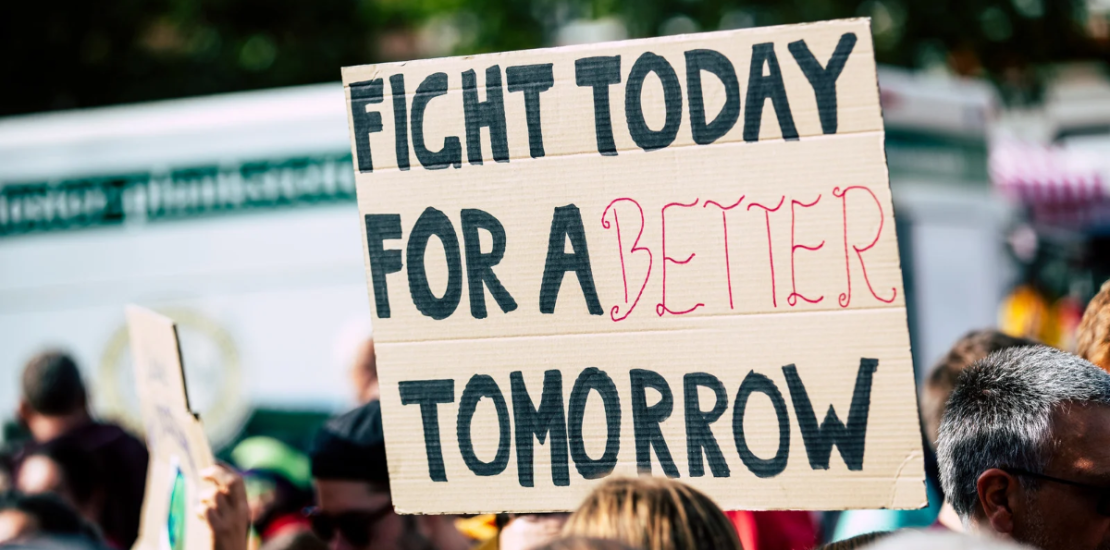
Every election cycle, there are always agitations post-election. Political players, stakeholders and citizens often call out one foul play or the other. But these are often a sad case of crying over spilt milk as the deed is done and the damage is mostly irreparable.
For every democratic society, elections are at the core of its democratic process. It is the system through which political leaders are elected or ejected from public office, keeping the leadership wheel turning. Every election needs an effective electoral justice system to ensure a free, fair and genuine democratic process.
An effective electoral justice system is a major pillar of democracy — it safeguards both the legality of the electoral process and the political rights of citizens. It plays a fundamental role in ensuring that political conflicts arising from electoral issues are resolved through lawful means.
What is Electoral Justice?
For every election, the same question is on every lip: what happens when the process itself is contested? What is to be done when one or more parties feel aggrieved? Who decides if a result was fair, a candidate was wrongly disqualified, or a voter was denied their right to vote? The answer lies in a concept that rarely gets the attention it deserves. One often overlooked until a crisis forces the conversation: electoral justice.
Electoral justice refers to the legal frameworks, institutions, and processes that ensure elections are conducted fairly, and that any disputes arising from them are resolved through legitimate, accountable means. An election is not just about the day people cast their votes — it extends to everything before, during, and after an election: candidate eligibility, campaign conduct, voting procedures, result collation, and the resolution of disputes through courts and tribunals.
Simply put, electoral justice is what makes an election trustworthy and credible.
Why does this matter for democratic stability?
Every democratic society aims for stability. It is the oil that keeps the wheel running smoothly. Without it, society can easily disintegrate as people turn against one another and even the government. One sure way of destabilizing a society is through electoral unrest.
Elections are how societies transfer power peacefully. But an election without a credible system for addressing disputes is a ticking time bomb. When people believe there’s a fair, functioning process to challenge irregularities or injustice, they’re more likely to accept outcomes — even ones they didn’t vote for. However, when that trust breaks down, the result is often public unrest, prolonged litigation, or a broader erosion of confidence in democratic institutions altogether.
Electoral justice, therefore, isn’t a technical afterthought. It’s the foundation of any credible society and a sure way of enhancing public trust in democratic institutions. A country can hold elections regularly and still struggle with democratic stability if the systems meant to protect the integrity of those elections are weak, slow, or inaccessible to ordinary citizens.
In Nigeria, electoral justice sits at the intersection of the Electoral Act, the Constitution, and the work of institutions like the Independent National Electoral Commission (INEC) and the election petition tribunals. These bodies are meant to provide adequate checks, ensuring that disputes over candidacy, results, or conduct are resolved through defined legal channels rather than through force or public disorder.
But access to the needed justice isn’t always straightforward. Legal processes can be slow, technical, and difficult for the average voter to understand or engage with — which is exactly the gap advocacy and legal literacy work aims to close.
Why it should matter to You
With elections ahead, understanding electoral justice isn’t just for lawyers, politicians, or election observers — it’s for every citizen who wants their vote, and their voice, to count. Every time you cast a vote, electoral justice is what stands between that vote actually counting and it being quietly discarded or rerouted. It’s what gives you somewhere to turn if your name is missing from the register, your polling unit’s result is disputed, or a candidate is wrongly disqualified and denied their right to be voted for.
A functioning electoral justice system means your voice, as a citizen, doesn’t end at the polling unit, it’s protected all the way through. And when citizens understand how that system works, they’re better equipped to hold it accountable, ask the right questions, and demand better when it falls short.
Do you have questions on electoral justice? Kindly drop it in the comments, we’d love to hear from you. Also, stay updated by connecting with us on our social media pages.